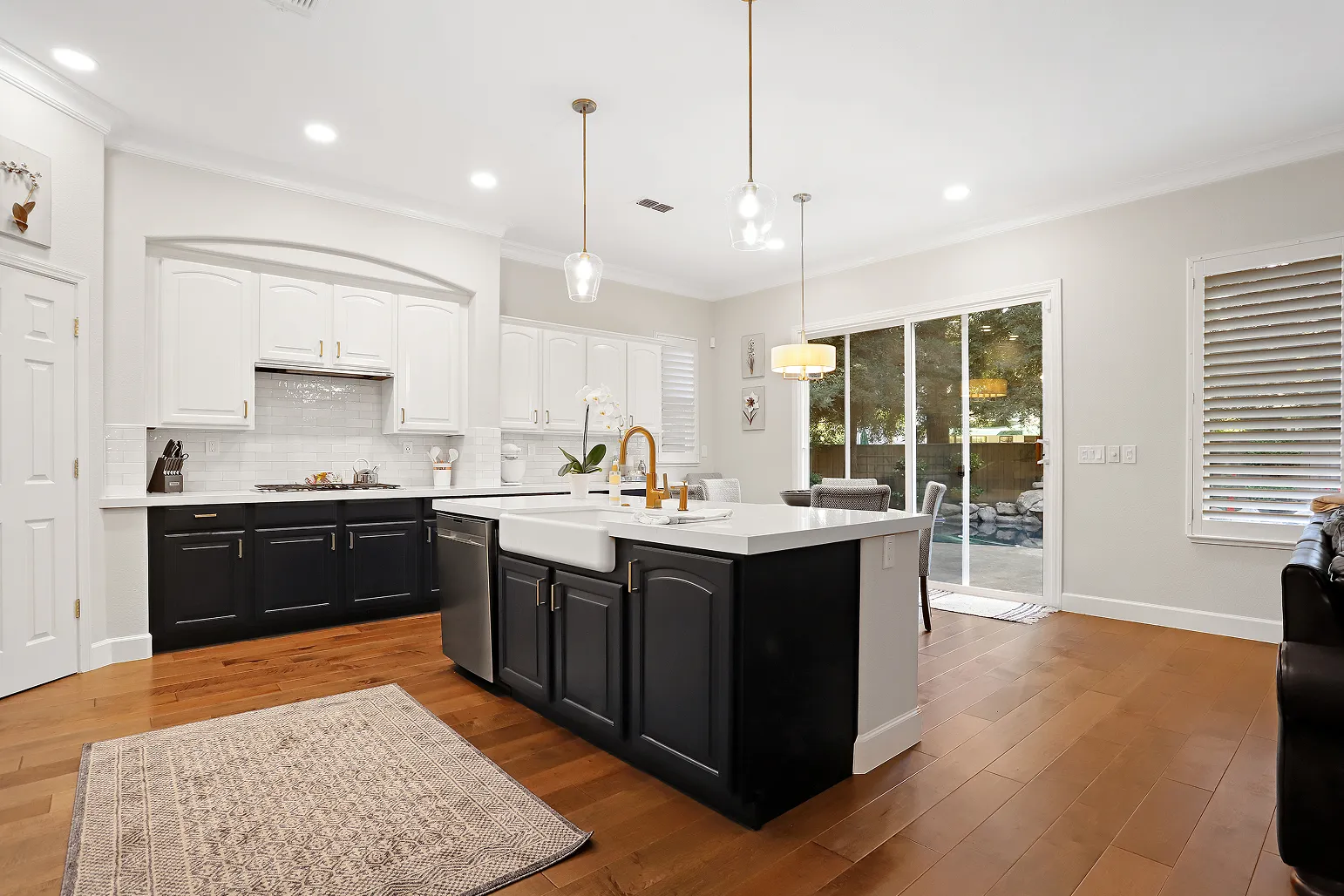
Quartz vs. Granite vs. Quartzite Countertops - A Homeowner's Guide
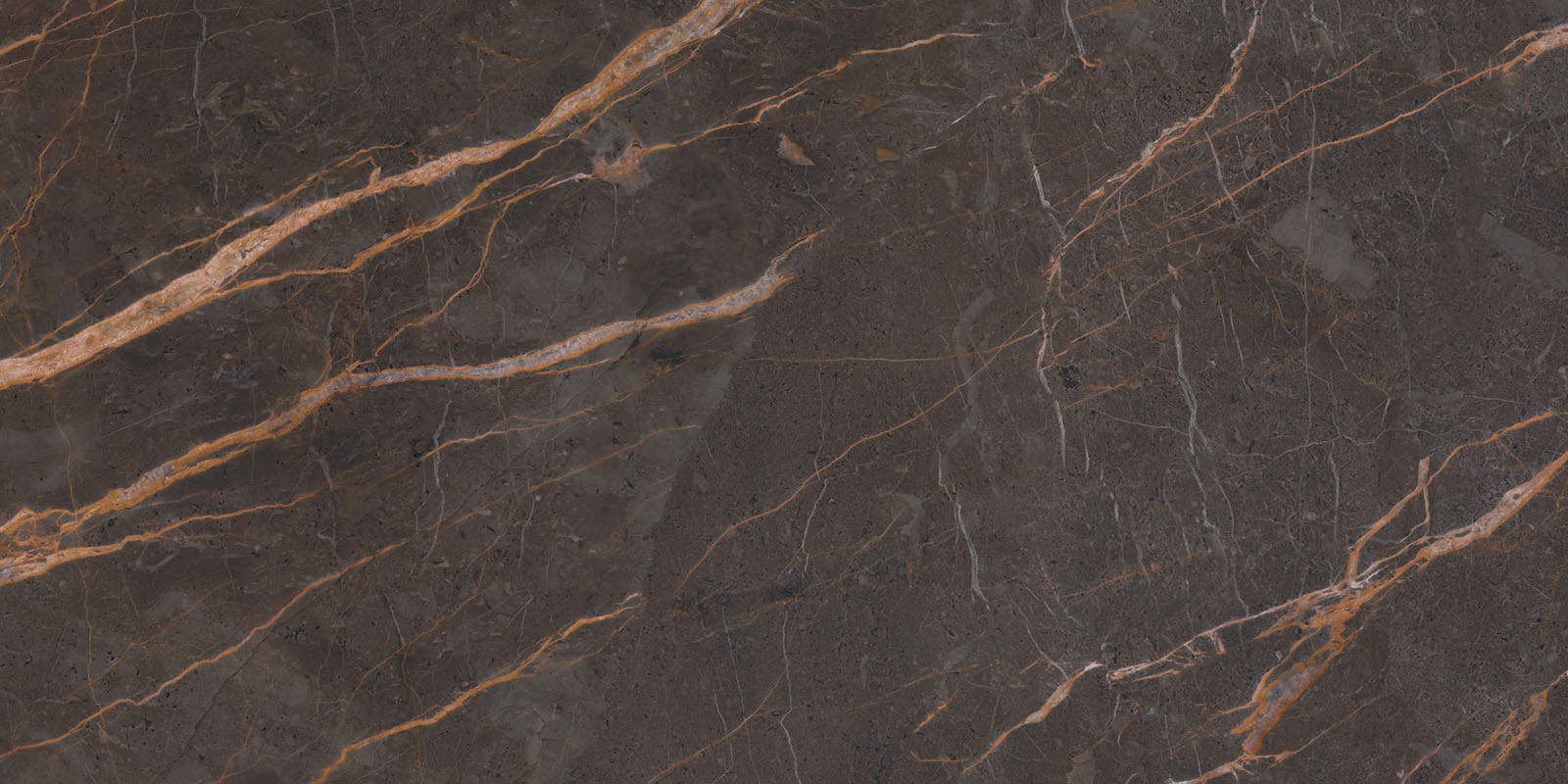

If you're shopping for new countertops, you've probably narrowed your list down to the three most common options in today's kitchens: quartz, granite, and quartzite. They sound similar — two of them are practically the same word — but they differ in meaningful ways that affect your daily life, your budget, and how your kitchen looks ten years from now.
This guide breaks down what each material actually is, how they compare on cost, durability, and design, and which one makes the most sense depending on how you use your kitchen.
What Are These Materials?
Before comparing quartz vs. granite countertops (or throwing quartzite into the mix), it helps to understand what you're actually buying.
Granite is a natural stone. It's quarried out of the earth in massive slabs, then cut, polished or honed, and shipped — often from overseas — to your local fabricator. Every slab is unique, like a fingerprint. Two pieces of the same granite color pulled from the same quarry will still look different from each other.
Quartzite is also a natural stone, formed by geological pressure over millions of years. Like granite, every quartzite slab is one of a kind. It falls into the same family as marble and soapstone.
Quartz (technically called engineered quartz) is different. It's a man-made product created by grinding up natural quartz rock, mixing it with resin, and pouring the mixture into slabs — typically 2 cm or 3 cm thick. Because it's manufactured, two slabs of the same engineered quartz will look identical. That consistency is a feature, not a bug — but it does mean you lose the natural variation that stone offers.
The key takeaway: Granite and quartzite are natural stones pulled from the ground. Engineered quartz is a factory-made product. That single distinction drives most of the differences in cost, durability, and maintenance.
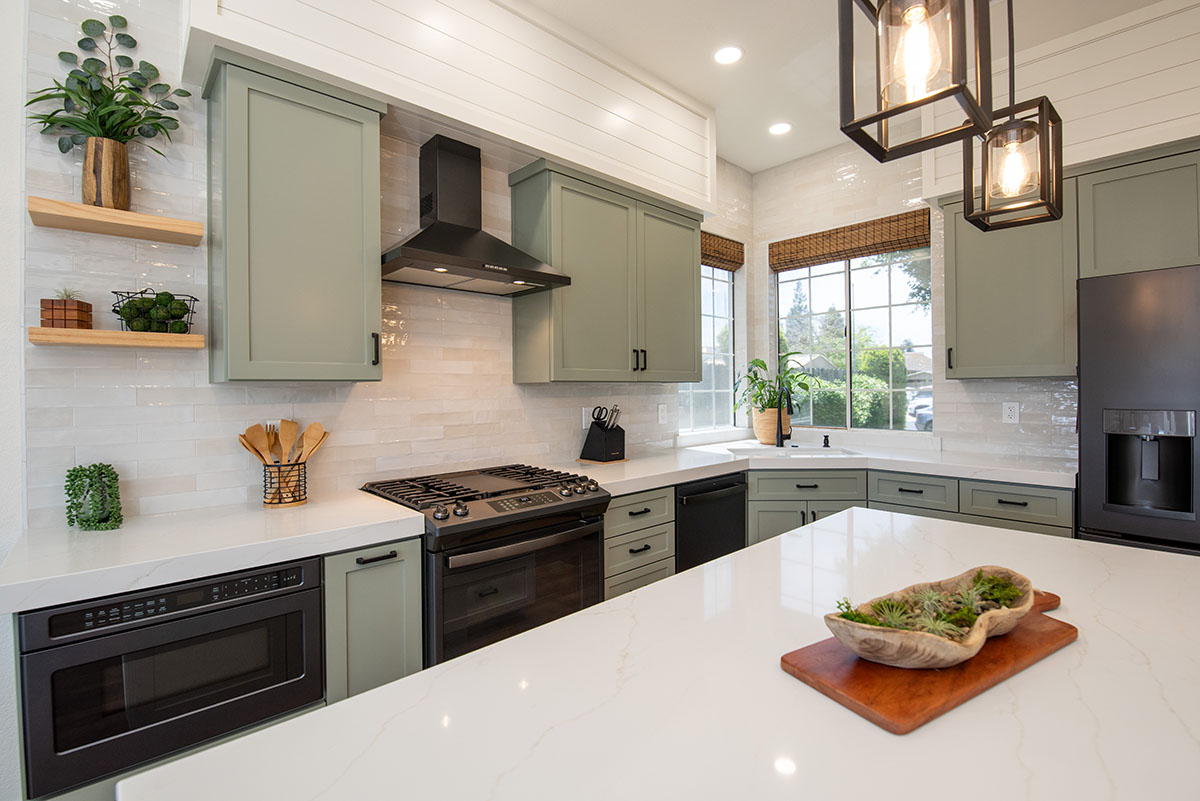
Cost Comparison
Every one of these materials comes in a wide range of price points, so blanket statements about cost can be misleading. That said, some general patterns hold true.
Engineered quartz and granite both offer entry-level options. You can find affordable slabs in either material without sacrificing too much on quality.
Quartzite tends to run higher. It's a more scarce material, harder to source, and currently the most sought-after natural stone for high-end kitchens. That combination of limited supply and high demand pushes the price up.
There's a nuance worth noting with granite: the granites that look fresh and contemporary tend to cost as much as or more than engineered quartz. The cheap granites are often the ones that look dated. So "granite is cheaper" is only true if you're okay with a style that may feel like it belongs in a different decade.
Durability: How Each Material Holds Up
Scratching
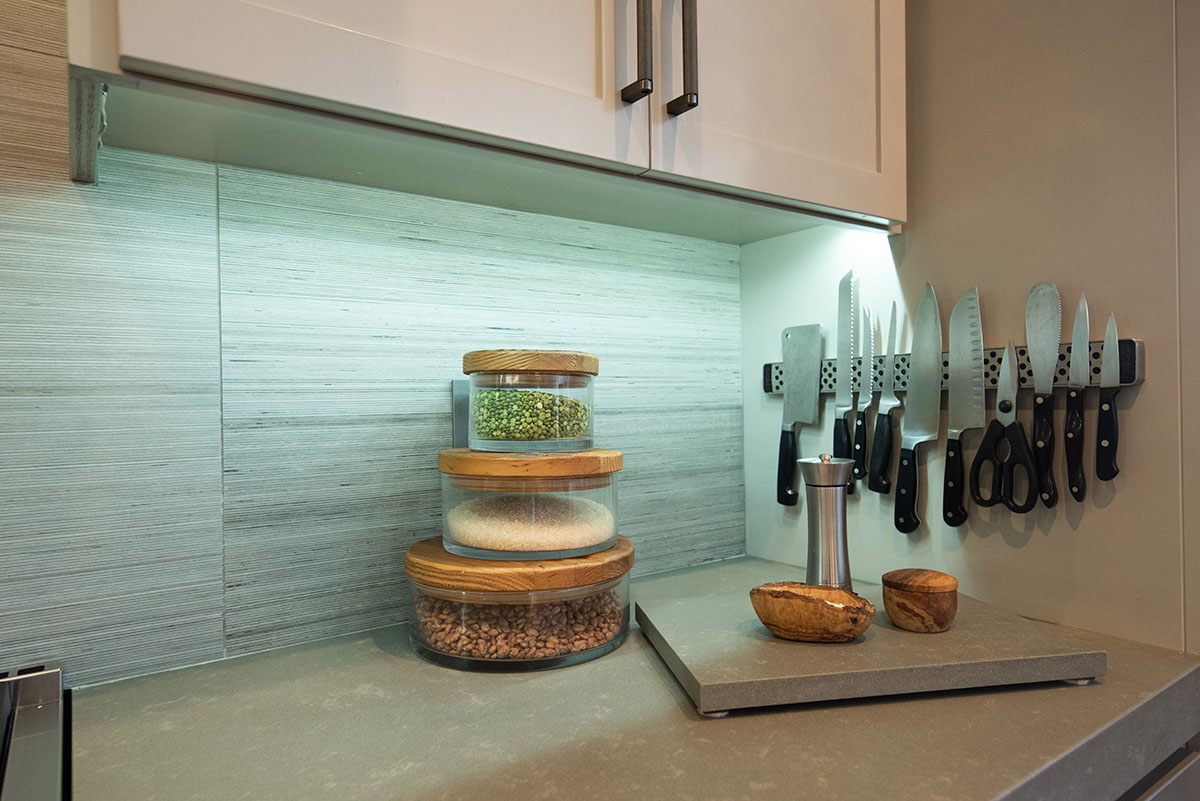
Engineered quartz wins here. The resin binders used in modern engineered quartz have been developed and refined over more than a decade, resulting in a surface that resists scratches better than either natural stone option. Granite holds up well too, but quartz has the edge.
Staining
Engineered quartz is non-porous, meaning liquids don't absorb into the surface. Spill red wine or olive oil on it, wipe it up, and you're fine.
Granite is somewhat more susceptible to staining, though a properly applied sealant goes a long way toward preventing issues. Most homeowners who seal their granite on schedule never run into problems.
Quartzite is the most vulnerable of the three. Substances like turmeric, red wine, and cooking oils can penetrate the surface and cause discoloration — sometimes permanently. If you cook with bold spices or are prone to the occasional wine spill, this is worth knowing.
Cracking
All three materials can crack under the right circumstances. The most common scenario: taking a boiling-hot pot off the stove and setting it directly on the countertop, especially near an inside
corner. That thermal shock can crack any of these materials. Always use a trivet.
Chipping
All three materials will chip on impact. Drop a heavy cast-iron pan on the edge of your sink cutout, and you'll likely see a chip regardless of material. Quartzite might be slightly more susceptible to chipping at corners, but it's not a major differentiator.
Heat Resistance
Granite and engineered quartz both handle heat reasonably well, but neither is immune. No countertop material is truly heatproof, so hot pads and trivets are non-negotiable. One common misconception: some people worry engineered quartz will melt from hot pans, confusing it with solid surface materials like Corian (acrylic) from the '80s and '90s. Engineered quartz is a completely different product and will not melt.
Design and Aesthetics
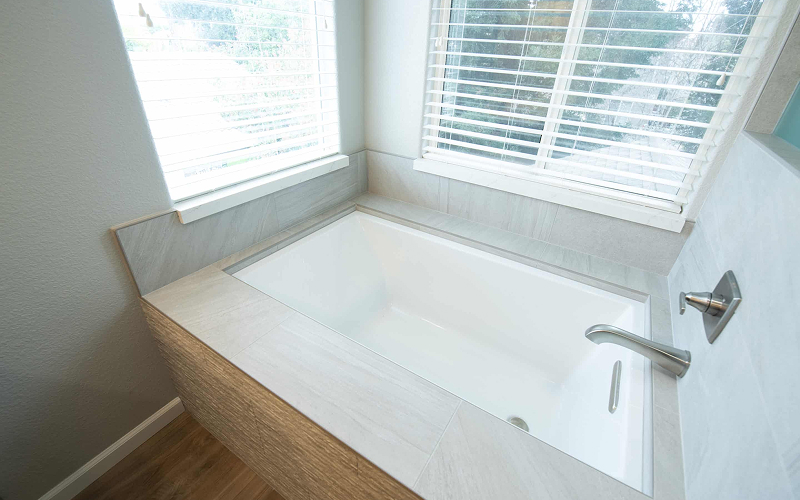
Engineered Quartz offers predictable, uniform slabs that are easy to match across a large kitchen. Modern manufacturers have gotten very good at mimicking natural stone, including marble-like veining. But every slab of a given pattern looks the same — for homeowners who want something truly unique, that sameness can feel flat.
Granite offers the widest range of color options — literally thousands of variations exist across showrooms nationwide. Every slab is distinct. The trade-off is that many granite colors carry a visual association with the '80s and '90s, when granite first became a kitchen staple. There are striking, high-end granites that look thoroughly modern, but they tend to cost as much as quartzite.
Quartzite is hard to beat for visual impact. The veining, depth, and movement in a good quartzite slab have a presence that's difficult to replicate. It reads as high-end, and for the design-conscious homeowner, it delivers an aesthetic payoff the other two materials typically don't match.
Which Countertop Is Best for a Kitchen?
Kitchens are harder on countertops than any other room. You're dealing with spills, heat, heavy cookware, staining agents, and constant daily use.
Engineered quartz is the strongest all-around performer for kitchen use. It's non-porous, resists scratching and staining better than either natural stone, and requires virtually no maintenance — no sealing, no special cleaners, no seasonal upkeep.
Natural stones can absolutely work in kitchens, but they require more attention. Granite needs periodic sealing. Quartzite requires even more care and is better suited to homeowners willing to wipe up spills quickly and reseal on schedule.
Best Countertop for Busy Families
If you have kids, entertain frequently, or just use your kitchen hard, engineered quartz is the clear winner. A family of five with three kids, using engineered quartz heavily for seven years — cooking daily, entertaining regularly — might find only a couple of barely noticeable marks on the entire surface after all that time. That's the kind of resilience that matters when your kitchen is the center of your household.
Longevity and Timelessness
All three materials will last a long time physically. The more interesting question is which one will still look good in 20 years.
Natural stones tend to be more timeless. A beautiful quartzite — much like natural wood cabinetry — has a classic quality that doesn't go in or out of style. Engineered quartz, because it follows manufactured design trends, runs a slightly higher risk of looking dated down the road. Some granites share that timeless quality, particularly the more distinctive varieties, but the more common builder-grade granites are already feeling like relics of a previous era.
What About Home Value?
Quartzite probably adds the most perceived value — at least among buyers who know the difference. It signals high-end taste and investment. That said, most average homebuyers won't distinguish between quartz, granite, or quartzite. Unless you're in a luxury market, don't stress too much about which material will maximize your return. Choose what works for your life and your budget.
A Note on Fabrication
One factor homeowners often overlook is how each material behaves during fabrication — the cutting, shaping, and installation process.
Engineered quartz is the easiest to fabricate. Its consistency makes it predictable. Granite is straightforward for experienced fabricators, though natural variation means each slab needs individual attention. Quartzite is the most challenging — it can be "chippy," tending to spall at edges during mitered edge work. It requires more hand finishing, more epoxy work, and carries a higher risk of cracking during fabrication. Good fabricators price that risk into their quotes.
The quality of fabrication matters enormously. A professional seam should be invisible to the touch — you should be able to run a credit card across it without catching. The best fabricators use CNC saws for precision cuts and seam-setting equipment to pull slabs together perfectly, then vein-match at seams so the stone's pattern flows continuously. These details separate a countertop that looks installed from one that looks built in.
Quick Reference: Pros and Cons
Engineered Quartz
Pros: Most durable of the three. Easy to source. Consistent slab-to-slab. Non-porous. Low maintenance. Excellent for busy kitchens.
Cons: Can feel uniform or predictable. Less character than natural stone. May look dated in 20+ years as trends shift.
Granite
Pros: Massive range of colors and patterns. Every slab is unique. Cost-effective at entry level. Durable and time-tested.
Cons: Many colors feel dated. More susceptible to staining than quartz. Requires periodic sealing.
Quartzite
Pros: Stunning visual impact. Most timeless aesthetic. High-end design statement. Unique slab-to-slab variation.
Cons: Highest price point. Most susceptible to staining. Difficult and costly to fabricate. Requires diligent maintenance and sealing.
Bottom Line
There's no single "best" countertop material — only the best one for your situation.
If you want maximum durability with minimum fuss, especially in a high-traffic family kitchen, engineered quartz is hard to argue against.
If you want natural character with a reasonable budget and wide selection, granite still has a lot to offer — just be thoughtful about choosing a color that feels current.
If you want a showstopper that will age beautifully and you're willing to invest in both the material and its upkeep, quartzite is in a class of its own.
Whichever direction you go, invest in quality fabrication. The material matters, but how it's cut, seamed, and installed matters just as much.



.jpg)
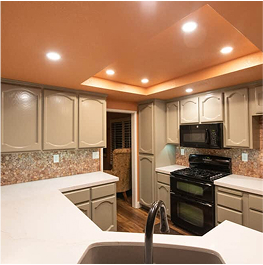

We are very impressed by the professionalism that Bath Crate had as they took care of us and our project. They were punctual, informative, and friendly at every point of the remodel.
Ron & Wendy R.